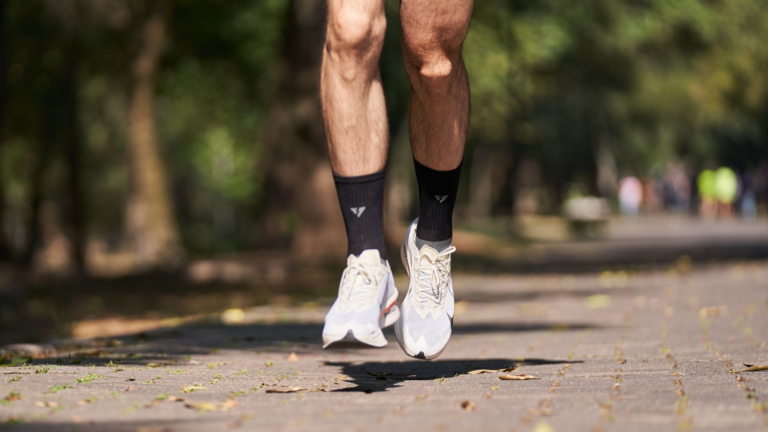
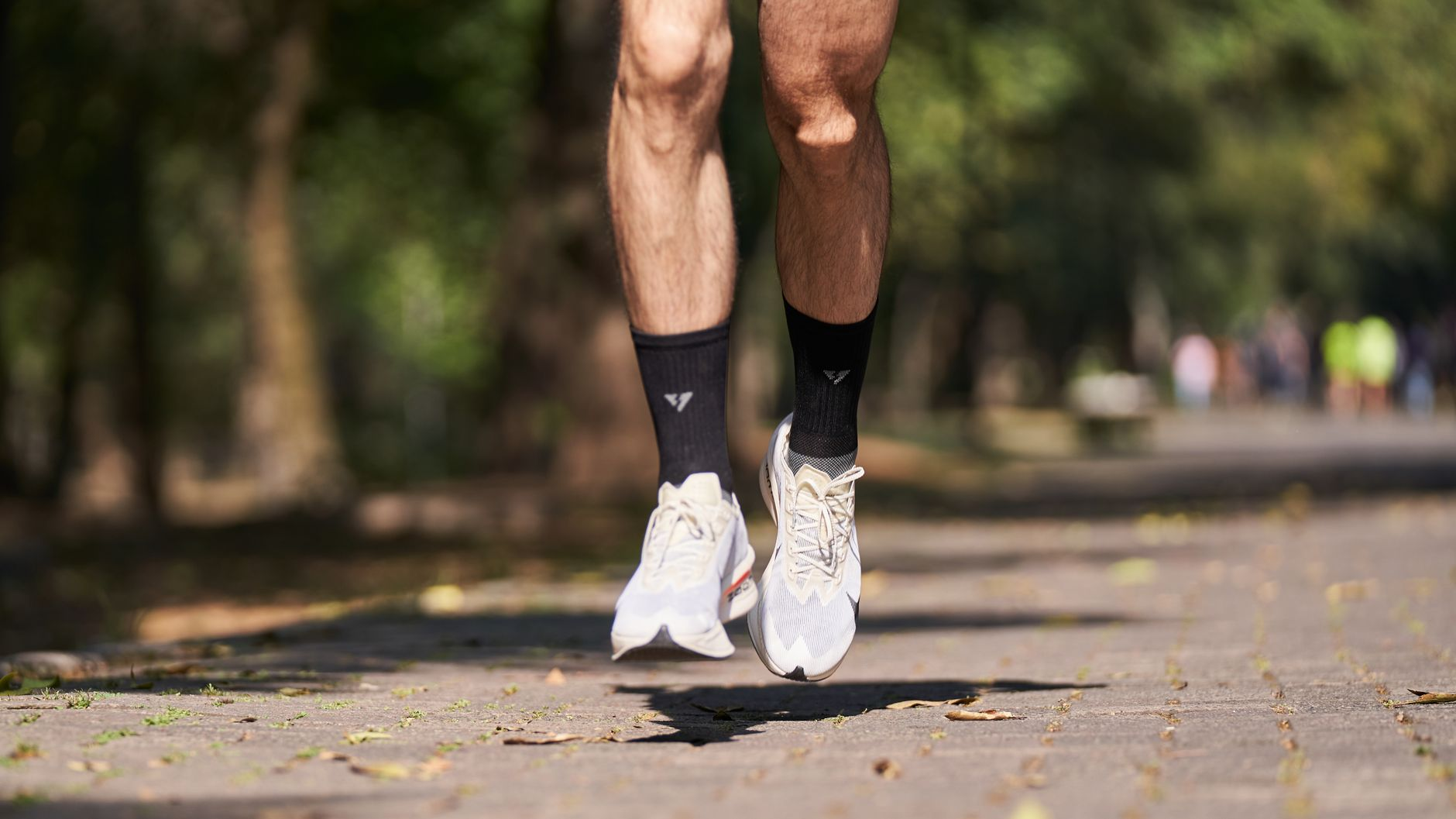
For many runners, the discomfort of blisters can quickly derail their training or enjoyment. These painful skin irritations are frequently a direct result of friction and moisture, exacerbated by unsuitable footwear, with socks playing a particularly crucial role.
Understanding the design and material science behind effective running socks allows you to make informed purchasing decisions for your retail offering, ensuring your customers can enjoy their runs without preventable foot issues.
The Core Problem: Friction, Moisture, and Heat
Blisters typically form when the skin is subjected to repetitive shearing forces – friction – often in the presence of moisture and heat. As the foot moves within a shoe, the skin rubs against the sock, and the sock rubs against the shoe. If the sock material traps moisture from sweat, the skin softens and becomes more susceptible to damage. Heat, generated by the activity, further contributes to this environment.
A well-chosen running sock acts as a protective barrier, managing these factors effectively. It minimises direct skin-on-shoe friction, wicks away sweat to keep the foot dry, and offers a degree of cushioning to absorb impact and reduce pressure points.
Material Matters: Wicking Away Moisture
The fabric composition of a running sock is perhaps its most critical feature for blister prevention. The primary goal is to manage moisture, drawing sweat away from the skin to the outer surface of the sock, where it can evaporate.
Synthetics: Polyester, Nylon, and Acrylic
Most modern running socks utilise synthetic fibres such as polyester, nylon, and acrylic. These materials are engineered for their excellent moisture-wicking capabilities and quick-drying properties. They do not absorb water like natural fibres but instead transport it along their structure. This keeps the foot drier, significantly reducing the likelihood of friction-induced blisters. Synthetics are also durable and can withstand repeated washing without losing their shape or performance.
Merino Wool: Natural Performance
Merino wool has become a popular choice for running socks, offering a unique blend of natural benefits. It is highly effective at wicking moisture and regulating temperature, keeping feet warm in cooler conditions and cool in warmer weather. Merino wool fibres also have natural antimicrobial properties, which can help reduce odour. While often perceived as a winter material, lightweight merino blends are suitable for year-round use and provide a soft, comfortable feel against the skin.
The Cotton Problem
Cotton is a poor choice for running socks. It readily absorbs moisture and retains it, becoming heavy and soggy. A wet cotton sock increases friction against the skin and softens the skin, creating prime conditions for blisters. Retailers should advise customers against using cotton socks for any strenuous activity, particularly running.
Cushioning and Padding: Strategic Protection
Cushioning in running socks serves two main purposes: absorbing impact and providing padding in areas prone to pressure and friction. The amount and placement of cushioning can vary significantly, catering to different preferences and running styles.
Levels of Cushioning
- Minimal Cushioning: These socks are thin and lightweight, offering a close fit and maximum ground feel. They are often preferred by runners who favour a minimalist shoe or for shorter, faster runs where every gram counts. While they offer less padding, their precise fit is crucial for preventing movement and friction.
- Moderate Cushioning: Providing a good balance of protection and responsiveness, moderately cushioned socks are versatile and suitable for a wide range of runners and distances. They typically have targeted padding in key impact zones like the heel and forefoot, without adding excessive bulk. An example of a product that highlights cushioning is the More Mile London: 5-Pair Cushioned Running Socks, which are designed to offer comfort for runners.
- Maximum Cushioning: Designed for long-distance running, recovery runs, or for runners who require extra protection, these socks feature substantial padding throughout the footbed. They absorb significant impact, reduce pressure points, and provide a plush feel. While thicker, they should still maintain excellent moisture-wicking properties to prevent overheating and dampness.
Strategic padding is often placed in areas like the Achilles tendon, across the top of the foot where laces might press, and around the toes and heel. This targeted approach ensures protection where it is most needed without unnecessary bulk elsewhere.
The Importance of Fit: Second Skin Comfort
Even with the best materials and cushioning, an ill-fitting sock will inevitably lead to problems. A running sock should fit like a second skin – snug, but not restrictive, with no excess material that can bunch or wrinkle.
Key Aspects of Fit
- Arch Support: Many running socks incorporate a band of compression around the arch. This provides gentle support, helps keep the sock securely in place, and prevents it from slipping down or twisting inside the shoe.
- Seamless Construction: Seams, particularly in the toe area, are common culprits for irritation and blisters. High-quality running socks feature flat or seamless toe closures to eliminate this potential rubbing point.
- Y-Heel Stitching: This specific stitching technique creates a deeper, more anatomical heel pocket, ensuring the sock cups the heel properly and prevents it from sliding up and down.
- Targeted Compression: Beyond arch support, some socks offer graduated compression in the cuff or throughout the foot. This can provide a supportive feel and help reduce muscle vibration, which some runners find beneficial. However, it should never be so tight as to restrict circulation.
Practical Checks for Sock Fit
When assessing a running sock, consider these points:
- The sock should fit snugly without any excess material at the toe or heel.
- It should not feel tight enough to restrict blood flow or leave deep marks on the skin.
- The cuff should stay up securely without cutting into the calf or ankle.
- Run your hand inside the sock; you should not feel any prominent seams that could cause rubbing.
- Ensure the sizing corresponds correctly to shoe size, as a sock that is too large or too small will compromise its performance.
Sock Height and Design Considerations
The height of a running sock is largely a matter of personal preference and the type of running clothing worn, but it also has practical implications.
- No-Show/Anklet: These socks sit below or just above the ankle bone. They are popular for their minimal appearance and are often chosen for warmer weather. It is important that they have features to prevent them from slipping down into the shoe.
- Quarter/Crew: Sitting just above the ankle or higher on the calf, these heights offer more protection against shoe collar rub, debris, and light scrapes, making them suitable for trail running or cooler conditions.
- Over-Calf: Extending up the calf, these socks often incorporate graduated compression. They can provide additional support and warmth, and protect against environmental elements.
Beyond height, some specialised designs aim to further reduce friction. Double-layer socks, for example, feature an inner and outer layer that rub against each other, rather than the inner layer rubbing against the skin. This can be very effective for runners highly prone to blisters. Toe socks, which encase each toe individually, prevent skin-on-skin friction between the toes, a common problem area for some individuals.
Maintaining Running Socks for Longevity
Proper care extends the life and performance of running socks. Advise customers to wash their running socks inside out in cold water, without fabric softener. Fabric softener can clog the fibres of technical materials, impairing their moisture-wicking abilities. Air drying is preferable, or tumble drying on a low heat setting to prevent elastic degradation.
Socks, like shoes, have a lifespan. They should be replaced when the cushioning flattens, the elastic stretches out, or holes begin to appear. A worn-out sock can no longer provide the necessary protection and support.
The Single Most Useful Takeaway
Choosing the right running socks is a critical step in preventing blisters and ensuring a comfortable run. By focusing on moisture-wicking materials, appropriate cushioning, and a precise fit, you can help your customers find the ideal socks to support their running endeavours.