The birds are singing, the days are getting longer, and that unmistakable scent of fresh earth is in the air. Spring has officially sprung, and for outdoor enthusiasts like us, that means one thing: it’s time to shake off the winter blues and embrace the call of the wild!
But before you dash out the door for your next hiking adventure, camping trip, or long-distance ride, there’s a crucial ritual that often gets overlooked: spring cleaning your outdoor gear. Just as you declutter your home, giving your beloved equipment some much-needed TLC now will not only ensure it performs optimally but will also significantly extend its lifespan, save you money, and keep you safer on your adventures.
At Buk Wholesale, we believe in providing quality gear that stands the test of time. And the best way to make sure your investment lasts is through proper care. So, grab a cuppa, and let’s dive into essential maintenance tips to get your outdoor kit ready for a season of unforgettable experiences.
The Golden Rules of Gear Care: Your Foundation for Longevity
Before we tackle specific items, here are a few universal principles that apply to almost all your outdoor essentials:
- Read the Labels & Manuals: This might sound obvious, but manufacturers provide specific care instructions for a reason. Always check your gear’s tags or user manuals before cleaning or treating.
- Cleanliness is Key: Dirt, sweat, mud, and grime aren’t just unsightly; they can degrade materials, clog pores on waterproof fabrics, and attract pests if stored improperly.
- Dry Thoroughly, Always: Moisture is the enemy. Mildew, mould, and unpleasant odours thrive in damp conditions. Ensure everything is bone dry before storing.
- Store Properly: Don’t just stuff your gear into a corner. Proper storage (e.g., uncompressed sleeping bags, airy spaces) prevents damage and extends life.
- Act Promptly: Don’t let a small tear become a gaping hole. Address minor repairs, clean stains, and re-proof items as soon as you notice an issue.
Apparel & Footwear: Your Second Skin on the Trail
Your outdoor clothing and footwear work hard to keep you comfortable and protected. Giving them a good spring clean is paramount.
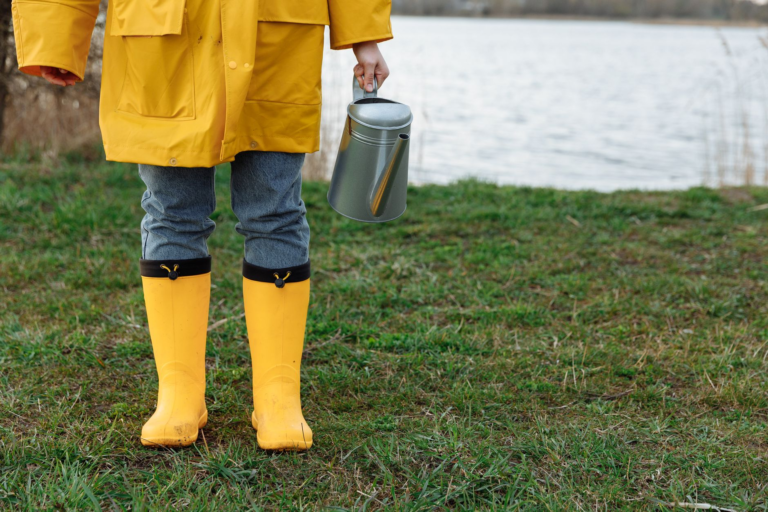
Waterproof Jackets & Trousers (Hiking, Running, Riding)
These are your first line of defence against the elements, and their performance relies on a clean, functional Durable Water Repellent (DWR) coating.
- Washing:
- Zip all zippers, close all flaps, and loosen all drawcords.
- Wash with a technical cleaner specifically designed for waterproof breathable fabrics (e.g., Nikwax Tech Wash, Grangers Performance Wash). Never use conventional detergents, fabric softeners, or bleach, as these can strip the DWR and clog the fabric’s pores.
- Follow the product’s instructions, typically a gentle cycle with cold or warm water.
- Rinse thoroughly to remove all detergent residue.
- Re-proofing DWR: If water no longer beads up on the surface, it’s time to re-apply DWR.
- While the garment is still damp (or after drying), apply a spray-on or wash-in DWR treatment according to the product instructions.
- Often, a low-heat tumble dry (check garment label!) can help activate the DWR.
- Zipper Care: Clean any dirt from zippers and occasionally apply a zipper lubricant (like silicone spray) to keep them running smoothly.
Base Layers & Mid-Layers (Hiking, Running, Riding)
From merino wool to synthetic blends, these layers manage moisture and insulation.
- Washing: Most can be machine washed on a gentle cycle with a mild detergent. For merino wool, use a wool-specific detergent and a cold wash to prevent shrinking.
- Odour Removal: For synthetic layers prone to holding smells, consider a sports wash designed to eliminate bacteria and odours.
- Drying: Air dry whenever possible, or tumble dry on very low heat. High heat can damage synthetic fibres.
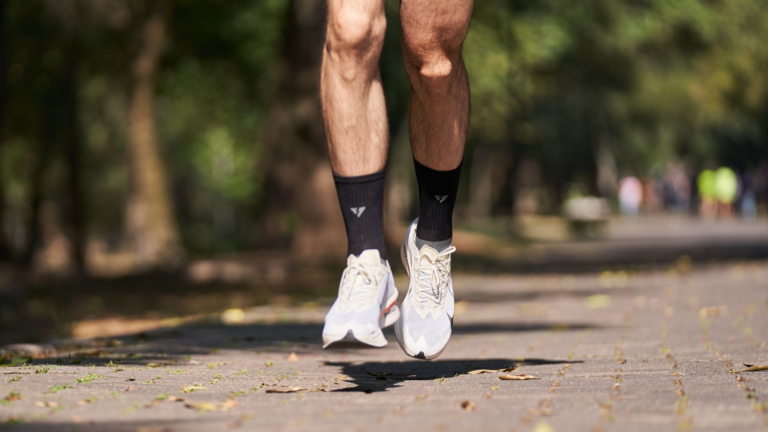
Hiking Boots & Trail Shoes (Hiking, Running)
Your feet are your foundation, and well-maintained footwear is crucial for comfort and safety.
- Cleaning:
- Remove laces and insoles.
- Brush off loose dirt and mud with a stiff brush.
- Wash the exterior with warm water and a mild soap (or a specialized footwear cleaner). A sponge or soft brush works well.
- Rinse thoroughly.
- Drying: Stuff the boots with newspaper (change frequently) or use a boot dryer. Never dry with direct heat (e.g., by a fire or radiator), as this can crack leather and damage adhesives. Allow them to air dry completely in a well-ventilated area.
- Conditioning (Leather Boots): Apply a leather conditioner to prevent cracking once the boots are dry.
- Waterproofing: Re-apply a waterproofing treatment (spray or wax) suitable for your boot material.
- Insoles & Laces: Wash insoles if removable, and inspect laces for fraying – replace if necessary.
Camping & Sleeping Gear: Your Home Away From Home
Your camping essentials are your sanctuary in the wild. Keep them clean and functional for restful nights and reliable shelter.
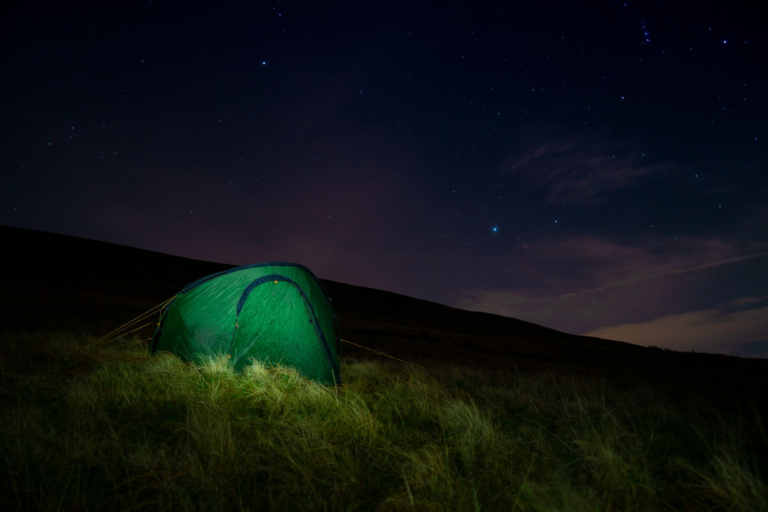
Tents
Your tent is your portable home. Keep it welcoming!
- Cleaning:
- Set up your tent in the garden.
- Brush off all loose dirt and debris.
- Using a sponge, mild soap (like diluted dish soap, but rinse very thoroughly), and lukewarm water, gently scrub down the tent fabric, inside and out. Pay attention to dirty spots.
- Rinse thoroughly with a hose.
- Drying: This is the most crucial step. The tent must be 100% dry before packing away to prevent mildew. Leave it pitched in the sun or hang it in a well-ventilated area for several days if needed.
- Seam Sealing: Inspect all seams. If you see signs of peeling or wear, re-apply a seam sealer to maintain waterproof integrity.
- Zippers & Poles: Clean zippers and lubricate. Inspect tent poles for cracks or bends, and check shock cords for elasticity.
Sleeping Bags
A good night’s sleep is priceless on any adventure.
- Spot Cleaning: For minor stains, use a damp cloth and mild soap.
- Full Wash (if necessary): This is less frequent.
- Down Bags: Use a down-specific cleaner in a front-loading washing machine (top-loaders with agitators can damage baffles). Wash on a delicate cycle with cold water.
- Synthetic Bags: Use a mild, non-detergent soap on a delicate cycle.
- Drying: This is critical! Tumble dry on the lowest heat setting with a few clean tennis balls. The tennis balls help break up clumps of down/insulation and restore loft. This can take many hours. Ensure it’s completely dry before storing.
- Storage: Store your sleeping bag uncompressed in a large mesh storage sack (often included) or hung in a closet. Never store it compressed in its stuff sack for long periods, as this permanently damages the insulation’s loft.
Sleeping Mats
Whether inflatable or foam, mats provide comfort and insulation.
- Cleaning: Wipe down the surface with a damp cloth and mild soap.
- Drying: Ensure it’s completely dry before rolling or folding.
- Puncture Check: Inflate your mat and listen for leaks. If you find one, repair it with a patch kit.
- Storage: Store inflatable mats unrolled with the valve open in a cool, dry place. Foam mats can be stored flat or rolled.
Backpacks & Bags: Your Trusted Haulers
Your pack carries all your essentials. Keep it robust and ready for the load.
- Empty & Shake: Remove everything from your pack and shake out any dirt, crumbs, or debris.
- Spot Clean: For most packs, spot cleaning with a damp cloth and mild soap is sufficient. For a deeper clean, hand wash in a tub with lukewarm water and mild soap, using a soft brush for stubborn spots.
- Rinse & Dry: Rinse thoroughly to remove all soap residue and hang upside down in a well-ventilated area to air dry completely.
- Inspect: Check all zippers, buckles, straps, and seams for wear and tear. Repair or reinforce as needed. Lubricate zippers.
Riding Gear (Cycling): Smooth Rides Ahead
For our cycling enthusiasts, your gear needs attention too!
Helmets
Your most vital piece of safety gear.
- Cleaning: Wipe down the outer shell with a damp cloth and mild soap.
- Pads & Straps: Remove internal padding if possible and hand wash with mild soap. Clean straps with a damp cloth. Allow to air dry.
- Inspection: Check for any cracks or damage to the shell or foam. If your helmet has sustained any impact, replace it immediately, even if visible damage isn’t apparent.
Cycling Apparel
Similar to other base and mid-layers, use appropriate gentle detergents. Pay special attention to bib shorts and chamois pads – wash after every ride to maintain hygiene and longevity.
Ready for Your Next Adventure?
Giving your outdoor gear a proper spring clean is more than just a chore; it’s an act of respect for your equipment and an investment in your future adventures. By following these essential maintenance tips, you’ll not only extend the longevity of your beloved kit but also ensure it performs reliably, keeping you comfortable, safe, and ready for whatever the great outdoors throws your way.
As you go through your gear, you might discover some items are beyond repair, or perhaps you’re simply looking to upgrade. At Buk Wholesale, we’re passionate about equipping outdoor enthusiasts with premium, durable gear for all their adventures. Explore our extensive range of spring and summer apparel, footwear, and equipment for hiking, camping, running, and riding. We’ve got everything you need to make this season your most adventurous yet!